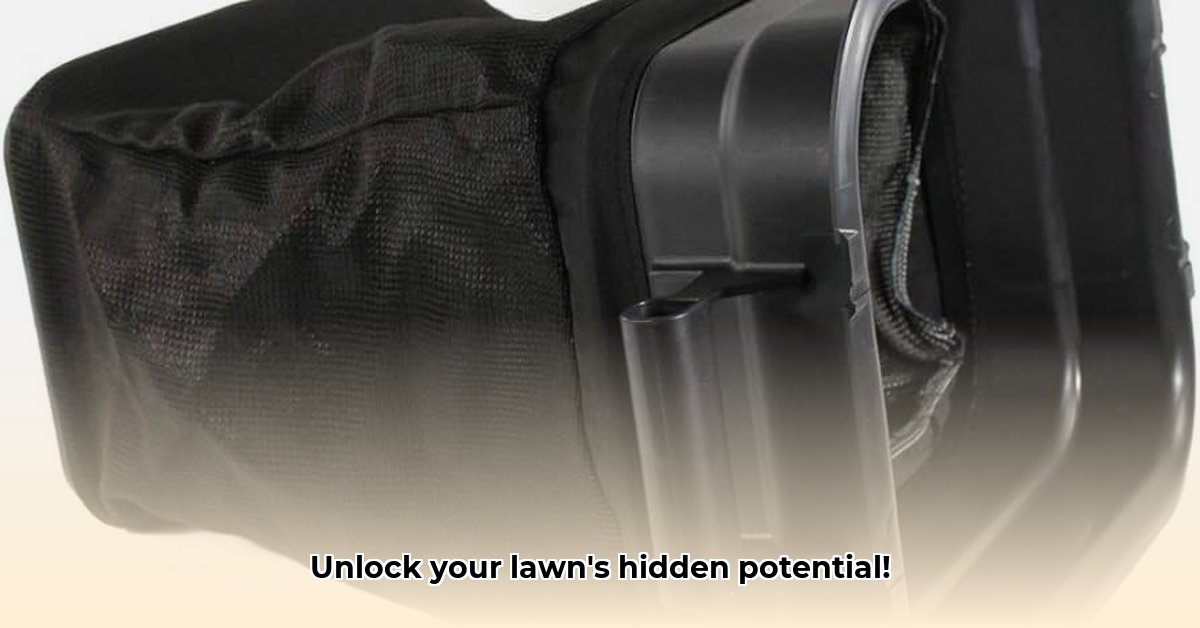
Husqvarna Lawn Tractor Grass Catcher: A Deep Dive into Sustainable Lawn Care
Maintaining a pristine lawn often feels like an environmental battle. But what if achieving that lush green landscape could also be environmentally responsible? This guide explores how to optimize your Husqvarna lawn tractor's grass catcher for both efficiency and sustainability. We'll cover practical usage, analyze its environmental impact, and explore alternatives like mulching and composting, empowering you to make informed choices for a greener lawn. For more on other brands' sustainable practices, check out this page on Troy-Built tractors.
Understanding Your Husqvarna Grass Catcher: Beyond the Bag
The Husqvarna grass catcher isn't simply a container; it's a crucial component of your sustainable lawn care strategy. Its double-bagging system boasts enhanced efficiency, potentially reducing fuel consumption and trips to empty clippings. This translates to time savings and a minimized carbon footprint. But how does it perform in practice?
How to Optimize Your Husqvarna Grass Catcher
Secure Attachment: Begin by ensuring the grass catcher is firmly attached to the tractor. A loose fit diminishes performance and could damage the equipment.
Effective Mowing: Mow your lawn as usual. The double-bag system evenly distributes clippings, maximizing capacity before emptying.
Strategic Emptying: Once the bags are full (you'll develop a sense of this after several uses), carefully remove and empty the catcher. Responsible disposal of clippings is vital (more on this later).
Regular Maintenance: Clean the grass catcher after each use. Remove clumps to prevent clogs and maintain airflow.
Sustainability Analysis: A Broader Perspective on Lawn Care
While an efficient grass catcher is a positive step, true lawn care sustainability requires a holistic approach. We must consider several factors:
Material Composition: The durability and recyclability of the bag's material (often polyester mesh) are crucial. However, readily available data regarding the lifecycle and environmental impact of these materials is limited. This highlights a need for greater transparency from manufacturers to understand the environmental footprint of the bag itself. Is it easily recycled, or does it contribute to landfill waste?
Mowing Frequency: Reducing mowing frequency minimizes the overall environmental impact, regardless of the chosen method.
Exploring Alternatives: Mulching, Composting, and Beyond
Sustainable lawn care offers multiple paths. Mulching and composting present excellent alternatives:
Mulching: Finely chopped grass clippings are returned to the lawn as a natural fertilizer, reducing waste and chemical fertilizer needs. However, excessive mulching can lead to thatch buildup.
Composting: Grass clippings are transformed into nutrient-rich compost, a valuable soil amendment, significantly reducing landfill waste. This requires additional time and space, but it drastically reduces overall impact.
Here's a comparison of the three methods:
| Method | Pros | Cons |
|---|---|---|
| Husqvarna Bagging | Efficient, keeps lawn tidy | Requires emptying, potential landfill waste if bags aren't recyclable |
| Mulching | Natural fertilizer, reduces waste, saves time | Potential thatch buildup, may not suit all lawn types |
| Composting | Creates valuable soil amendment, greatly reduces landfill waste | Requires space, time, and effort; initial investment in a compost bin may be needed |
The most suitable method depends on your lawn's size, your available time, and your environmental goals.
Actionable Steps for a Greener Lawn
Sustainable lawn care transcends equipment choices—it's about conscious decisions:
For Consumers:
Informed Purchasing: Prioritize manufacturers committed to sustainability. Look for details on materials and recycling programs.
Equipment Maintenance: Proper maintenance extends equipment lifespan, reducing resource consumption and waste.
Waste Minimization: Explore mulching or composting to decrease landfill waste. Recycle bags whenever possible.
For Manufacturers (like Husqvarna):
Transparency: Publicly disclose lifecycle assessments (LCAs) for your products.
Sustainable Materials: Invest in researching and implementing eco-friendly materials (like recycled or biodegradable options).
End-of-Life Programs: Provide clear and accessible recycling or composting programs for your products.
The transition to sustainable lawn care is a shared responsibility. By collaborating and adopting mindful practices, we can create healthier lawns and a healthier planet.